


Introduction
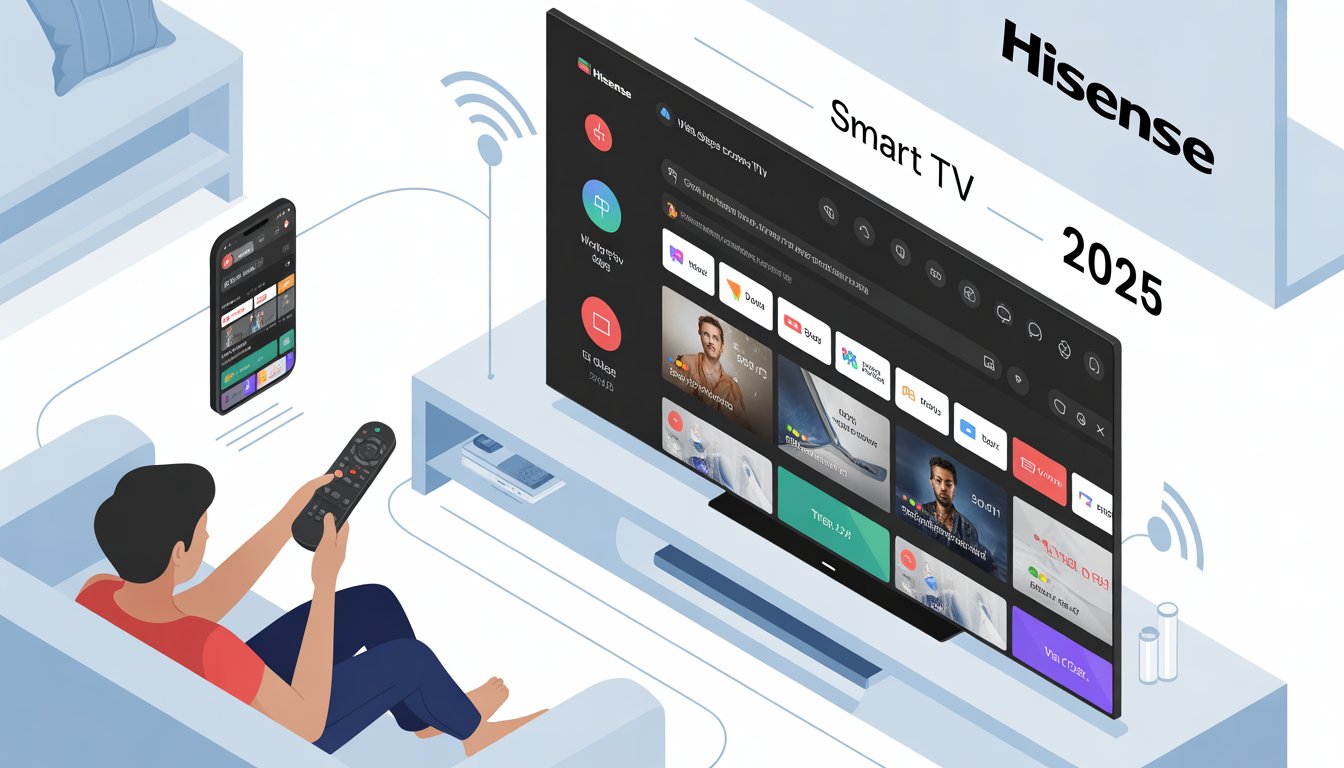
Choosing a Hisense smart TV in 2025 is less about panel buzzwords and more about how the software feels every day: is the interface intuitive, are apps easy to find, does the TV work well with a browser and mobile devices, and will updates keep it responsive? This complete, beginner-friendly review compares Hisense Android TV with Google TV, Fire TV, Roku TV, VIDAA, and Xumo, while also touching on XClass TV for context. It focuses on ease of use, browser-friendly features, and what matters most in Malaysia, including pricing realities, app availability, and streaming reliability. For readers exploring options, this article also highlights the 4K RGB Mini-LED ULED UX Series to illustrate how premium hardware meets different software platforms. For quick orientation or further reading, see hisense tv android as the central reference phrase used throughout this guide.
4K RGB Mini-LED ULED TV UX Series
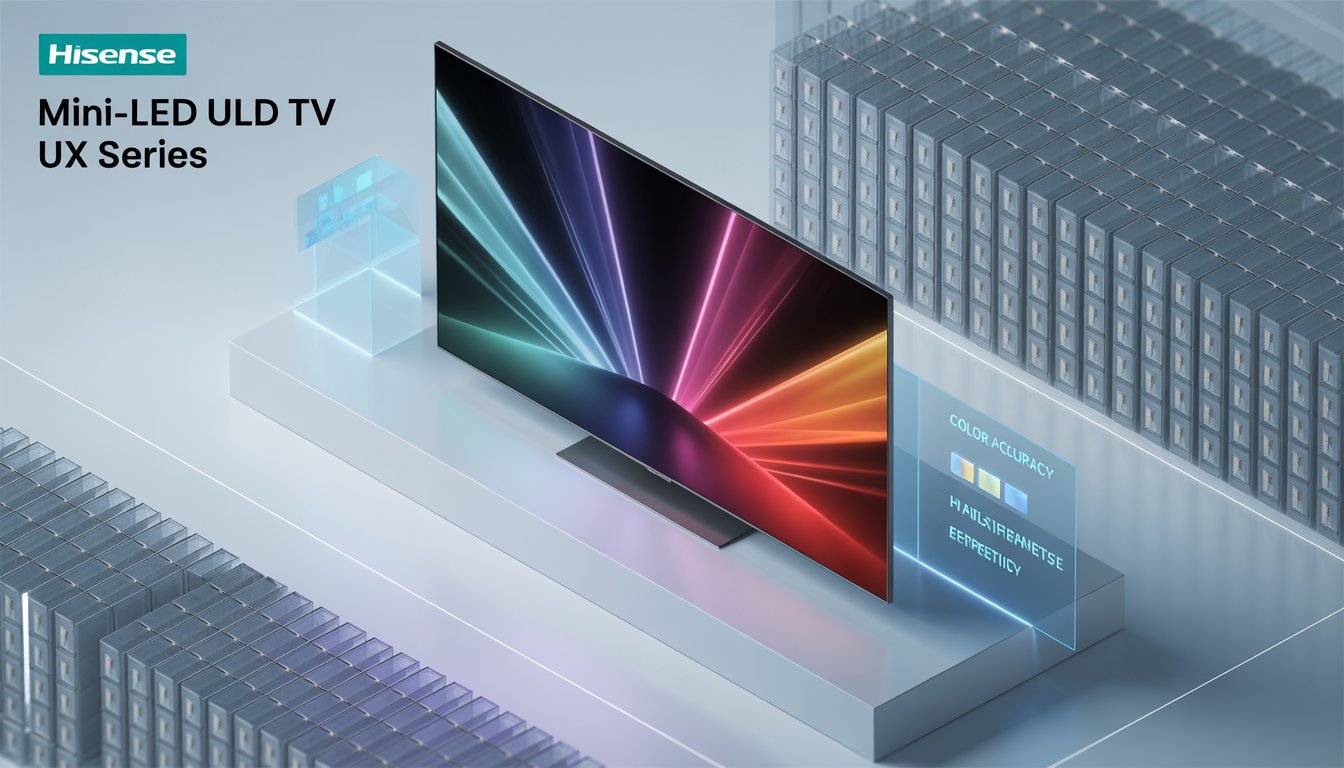
The UX Series represents Hisense’s flagship 4K Mini-LED ULED approach, designed to maximize brightness control, color accuracy, and contrast while maintaining energy efficiency. It blends dense Mini-LED backlighting with advanced local dimming and a wide color gamut to produce fine shadow detail and vibrant highlights. While picture quality is its headline, this series also showcases how software platforms influence everyday convenience—from quick input switching to smart recommendations and smooth updates. As you explore the features of this series, you’ll see how it integrates seamlessly with various smart platforms to enhance user experience.
TV Type Overview
The term “4K RGB Mini-LED ULED” combines several technologies. Mini-LED uses thousands of tiny LEDs with many dimming zones for precise light control, which boosts HDR performance and reduces blooming around bright objects. ULED is Hisense’s umbrella for picture enhancements, typically including a wide color gamut panel, motion processing, and local dimming algorithms to elevate contrast and color saturation. On modern UX models, users can expect high peak brightness, excellent HDR tone mapping, and gaming-friendly capabilities like low input lag and high refresh-rate support, resulting in both cinematic and responsive experiences. This integration of technologies ensures that the TV performs exceptionally well in diverse viewing environments, from bright rooms to dark home theaters.
Menu Navigation
Navigation on the UX Series is designed to be straightforward, with a home screen that surfaces apps, inputs, and recent content in a few clicks. Quick Settings overlays allow adjustments such as picture mode, motion smoothing, and audio output without leaving the current program, which is a practical time-saver. Depending on the platform variant (Android TV or Google TV in many markets, and VIDAA in others), users also benefit from voice search, content recommendations, and casting options that make it feel more like a hub than a traditional TV menu. This user-friendly design helps reduce frustration during daily use, allowing families to focus on entertainment rather than technical hurdles. Overall, the menu system contributes to a smoother interaction, making the Hisense TV Android integration feel intuitive and efficient.
Available Products
UX units are typically offered in larger sizes, such as 65-inch, 75-inch, and 85-inch, which suits living rooms and media spaces where HDR impact is visible. In Malaysia, indicative pricing can range widely based on size and configuration, often from around RM6,999 for mid-large sizes to RM13,999 and above for top-end variants, depending on promotions and stock. Buyers should consider viewing distance and lighting conditions; a brighter Mini-LED model like the UX series provides more headroom for daylight viewing without crushing shadow detail at night. These models are built to last, with robust construction that supports long-term use in various home settings. Exploring available products can help you find the perfect fit for your space and budget, ensuring optimal performance with Hisense TV Android features.
Our Support Services
Shoppers typically expect after-sales support that covers setup guidance, firmware update assistance, and troubleshooting for connectivity or app behavior. In Malaysia, reputable retailers and service providers commonly offer panel inspection on delivery, on-site installation add-ons, and warranty handling to simplify ownership. Well-documented firmware instructions and responsive customer support are especially important in the first weeks, when users personalize picture modes, connect soundbars, and install their preferred streaming apps. This comprehensive support ensures that any issues are resolved quickly, enhancing overall satisfaction. By leveraging these services, users can maximize the potential of their Hisense TV Android platform without unnecessary downtime.
Contact Us
When assessing the UX Series or any Hisense smart TV, customers benefit from reaching out to a knowledgeable sales or service representative who can confirm platform specifics, app availability in Malaysia, and current inventory. If questions arise about firmware versions, voice-control compatibility, or best settings for gaming and cinema, it is wise to prepare a quick list of use cases before making contact. Clear communication about room size, lighting, and audio plans helps support teams recommend an optimal size and accessory bundle without overspending. Reaching out early can prevent common pitfalls and tailor the purchase to your needs. Our team is dedicated to providing personalized advice to make your Hisense TV Android experience seamless.
Smart TV Platforms
Hisense offers multiple platforms: Android TV, Google TV, Fire TV, Roku TV, VIDAA, and Xumo. Each option has a distinct interface style, app availability, voice ecosystem, and approach to ads and recommendations. The best choice depends on comfort with each ecosystem, whether a built-in browser is a priority, and how casting from phones or laptops fits daily usage. The comparison table below provides a quick overview before diving into individual platform details and how they affect real-life use in Malaysia. Understanding these platforms helps in selecting a Hisense TV Android or alternative that aligns with your lifestyle, improving overall satisfaction with features like seamless streaming and intuitive controls.
The summary below focuses on daily usability: how easy it is to find apps and inputs, whether a browser is readily available, and which voice assistants are supported. It also frames typical strengths without delving into proprietary model specifics, so readers can focus on what matters to their household and budget. By comparing these aspects, you can better appreciate how each platform enhances the Hisense TV Android ecosystem or provides unique advantages.
| Platform | Interface Style | App Store | Voice Assistant | Casting / AirPlay | Browser Availability | Typical Strength |
|---|---|---|---|---|---|---|
| Android TV | App-first grid with recommendations | Google Play | Google Assistant | Chromecast built-in | Third-party browser apps available | Flexibility and broad app coverage |
| Google TV | Content-forward with personalized rows | Google Play | Google Assistant | Chromecast built-in | Third-party browser apps available | Smart recommendations and user profiles |
| Fire TV | Amazon-centric home with content hubs | Amazon Appstore | Alexa | Miracast / casting apps | Amazon Silk browser | Tight Alexa integration and Prime content |
| Roku TV | Tile-based simplicity | Roku Channel Store | Roku Voice (and assistants via devices) | AirPlay 2 and casting support | Limited native browser options | Very easy to use, stable performance |
| VIDAA TV | Lightweight, fast app ribbon | VIDAA Store | VIDAA Voice / Alexa (varies) | AirPlay / casting varies by model | Basic or via store apps | Speed and low overhead |
| Xumo TV | FAST channel-first guide | Xumo App Store | Voice remote support | Casting options vary | Limited browser options | Free streaming channels, simplicity |
Android TV
Android TV remains a flexible, app-driven platform with the Google Play Store at its core and Chromecast built-in for seamless casting from Android devices and Chrome browsers. Its home screen blends app rows and content recommendations while keeping a familiar tile layout that beginners learn quickly. For browser-friendly use, Android TV supports several third-party browser apps and casting from mobile or PC, allowing users to view articles, forms, and dashboards on the big screen without much setup. In 2025, Android TV benefits from refinements in stability and voice search, and it still appeals to users who prefer an app-first approach. Google Assistant makes finding content or toggling inputs faster, which is particularly useful when juggling game consoles and set-top boxes. For Malaysia, the Play Store’s breadth means most major streaming apps are easy to install, and firmware updates generally arrive on a predictable cadence through Hisense’s update pipeline.
Fire TV
Fire TV centers on Amazon services with a home screen that emphasizes Prime Video while surfacing other apps and channels. Alexa voice control is integrated deeply, which streamlines search, smart-home commands, and quick actions such as launching a specific app or playing a playlist. For browsing, the built-in Silk browser is a practical option that reduces the need to sideload alternatives, making it convenient for occasional web tasks like checking email or browsing news. App availability is strong through the Amazon Appstore, and recommendations are tuned around viewing habits, which many users find surprisingly accurate over time. The interface can feel more ad-forward than competitors, but it is straightforward once personalized. In Malaysia, Fire TV models from Hisense offer a familiar experience to households already invested in the Amazon ecosystem and Alexa-enabled devices. This platform’s integration can make everyday tasks more efficient, especially for those using multiple Amazon services.
Google TV
Google TV is often described as “Android TV with a smarter coat,” favoring content curation and personalized rows over an app grid. It pulls recommendations across streaming services, and individual profiles allow each family member to see tailored suggestions, watchlists, and ambient mode visuals. Chromecast built-in remains a core convenience, making it easy to share browser tabs, presentations, or mobile media to the screen. The Google Play Store remains the underlying source of apps, so availability aligns closely with Android TV while offering a more editorial home screen. Voice search is quick and natural language-friendly, reducing friction for beginners who might not remember exact app names. For Malaysia, the platform’s breadth makes it a safe choice if the household mixes Android phones, iOS devices, and laptops for casting and account sign-ins. Overall, Google TV enhances the Hisense TV Android experience by focusing on user personalization and content discovery.
Roku TV
Roku TV stands out for simplicity: a clean tile-based home, predictable navigation, and stable performance even on modest hardware. The Roku Channel Store features wide coverage of popular apps, and the platform’s neutral approach keeps the interface uncluttered. While Roku’s native web-browsing options are limited compared to Android or Fire TV, AirPlay 2 and casting features help bridge the gap for showing web pages or media from phones and computers. Voice search via the Roku remote works well for app launching and content discovery, and the platform’s overall stability makes it a frequent recommendation for tech-shy users. In Malaysia, Roku’s availability may vary by model and retailer, but where offered it tends to be appreciated for its “just works” usability. Households that value quick, consistent performance with minimal tweaking often gravitate to Roku-based Hisense sets. This makes it an excellent alternative to Hisense TV Android for those seeking ease above all.
VIDAA TV
VIDAA is Hisense’s own lightweight platform, engineered for fast boot times and speedy app switching. Its interface is simple, typically presenting a ribbon or row of apps and inputs, which minimizes hunting through layers of menus. Because it is lean, VIDAA often feels responsive even on mid-range hardware, an advantage for users who prioritize instant-on behavior and low maintenance. App selection in the VIDAA Store covers key streaming services, with regional variations in Malaysia that continue to improve over time. Browser support may rely on store options or built-in basics, and casting features vary by model and year, so it is wise to verify the exact capabilities for a given TV. For users who want a no-fuss experience and rarely need niche apps, VIDAA can be a strong pick that maximizes performance per ringgit spent. Its efficiency complements the Hisense TV Android options by offering a streamlined alternative.
Xumo TV
Xumo TV emphasizes FAST (free ad-supported TV) channels and a cable-like guide that is approachable for cord-cutters. The interface focuses on effortless channel surfing and featured shows, while still allowing app installation for popular streaming services. Browser functionality is limited compared to Android or Fire TV, but casual users who primarily watch free channels may not miss it. Voice-capable remotes and straightforward settings keep the learning curve shallow, which suits households transitioning from set-top boxes. In Malaysia, availability can be more limited, so buyers should confirm model specifics and app support before purchase. When offered, Xumo TV is appealing for simple living rooms, guest spaces, or secondary TVs where ease and free content matter more than deep customization. This platform provides a budget-friendly entry into smart TV features without the complexity of Hisense TV Android.
Choose from Android TV, Fire TV, Google TV, Roku TV, VIDAA TV, or XClass TV
Platform choice should reflect daily habits. Android TV and Google TV are ideal for those who want robust app libraries, deep Google Assistant integration, and flexible casting for browser tabs and presentations. Fire TV suits users immersed in the Amazon ecosystem who appreciate Alexa routines and the convenience of the Silk browser out of the box. Roku TV is the simplest for beginners, with consistent performance and minimal clutter, while VIDAA offers a fast, lightweight feel that gets straight to streaming without fuss. XClass TV, where available, is a Comcast/Charter-oriented platform that prioritizes integrated cable and streaming experiences; however, its regional availability is limited and may not be a practical option in Malaysia. Buyers should verify model availability locally and then match the platform to their preferred voice assistant, browser expectations, and casting needs. Considering these factors ensures a more enjoyable Hisense TV Android or platform experience tailored to your needs.
Find Your Hisense Smart TV
The right Hisense TV balances panel capability with a platform that matches viewing patterns and device ecosystems in the home. For a bright living room with daytime sports and movies, a Mini-LED ULED model lifts HDR highlights and maintains contrast in ambient light. For casual streaming and web use, prioritize platforms that make browsing and casting effortless, such as Android TV, Google TV, or Fire TV with Silk. In Malaysia, consider size-to-seat distance, room brightness, and internet stability, as these factors influence perceived sharpness and buffering. Budget-wise, mid-range models often deliver excellent value in the RM2,000–RM4,500 range, while premium Mini-LED sets climb higher but make a visible difference for HDR films and next-gen console gaming. Confirm warranty terms and firmware update policies to ensure the TV stays responsive and secure over time. This thoughtful selection process helps in finding the ideal Hisense TV Android setup for your home.
Upgrade to a superior viewing experience with a Hisense Smart TV
Upgrading from an older LCD to a recent Hisense Mini-LED ULED model provides a notable leap in brightness, color volume, and local dimming sophistication. Paired with the right platform, the TV becomes a simpler, faster, and more browser-friendly hub for daily entertainment and light productivity. Casting from phones and laptops eliminates the friction of cables and dongles, and modern voice assistants reduce remote clicks for routine tasks. For households mixing streaming, gaming, and occasional web use, the combination of high-contrast hardware and a responsive OS pays off every day. Whether the preference is Android TV’s flexibility, Google TV’s curation, Fire TV’s Alexa immersion, Roku’s simplicity, or VIDAA’s speed, the core experience improves when hardware and software are aligned. That alignment ultimately makes the TV feel less like a box and more like a cooperative part of the home. Embracing Hisense TV Android can transform your viewing habits for the better.
Frequently Asked Questions
The questions below address common concerns from Malaysian buyers comparing Hisense Android TV and other platforms, with a focus on ease of use, browser options, and everyday practicality. These FAQs are designed to provide clear, concise answers to help you make an informed decision. By covering key differences and recommendations, they aim to simplify the selection process for your next smart TV.
What is the difference between Hisense Android TV and Google TV?
Android TV uses an app-first home screen with rows of apps and recommendations, while Google TV layers a content-forward home that emphasizes personalized suggestions across services. Both rely on the Google Play Store and support Chromecast built-in, so app availability and casting are very similar. In daily use, Google TV feels more curated for households that like recommendations, while Android TV feels more direct for users who prefer managing apps themselves. This distinction can influence how you interact with your TV on a daily basis, making one more suitable depending on your preferences.
Which platform is best for web browsing on a Hisense TV?
For built-in browsing, Fire TV is convenient because it includes the Silk browser. Android TV and Google TV rely on third-party browsers from the Play Store, which offer flexibility with some setup. Roku and Xumo have limited native browser options, while VIDAA may offer basic or store-based alternatives; regardless of platform, casting from a phone or laptop remains the fastest way to display complex pages and forms. Choosing the right platform can enhance your browsing experience significantly, especially if web access is a frequent need.
How much should I budget for a Hisense Mini-LED ULED TV in Malaysia?
Pricing depends on size and series, but a practical range for larger 4K Mini-LED ULED models starts around RM6,999 and can exceed RM13,999 for top-end sizes and features. Mid-range non–Mini-LED models often sit in the RM2,000–RM4,500 bracket and still deliver solid performance for streaming and gaming. Always consider room size, seating distance, and HDR preferences before stepping up in price, as those factors drive visible benefits. Budgeting wisely ensures you get the best value from your Hisense TV Android investment.
Is Roku TV or VIDAA better for beginners?
Both are beginner-friendly for different reasons. Roku TV is extremely consistent, with a simple tile interface and stable performance, making it the easiest for tech-shy users. VIDAA is very fast and lightweight, getting users into apps quickly; if the needed apps are available in the VIDAA Store, it provides a smooth, low-fuss experience with minimal setup. Ultimately, the choice depends on whether you prioritize simplicity or speed in your Hisense TV Android alternative.

